Justice J.N. Bhat describes Pyare Lal Kaul as a unique personality, a fearless thinker, and an undiscovered intellectual force with deep contributions to law, politics, and society.
In an article published in Kashmir Gazette Weekly, Justice J.N. Bhat (Retd.), former senior judge of the Jammu & Kashmir High Court, portrayed Pyare Lal Kaul as a remarkable yet under-recognized personality—an unknown genius and undiscovered gem.
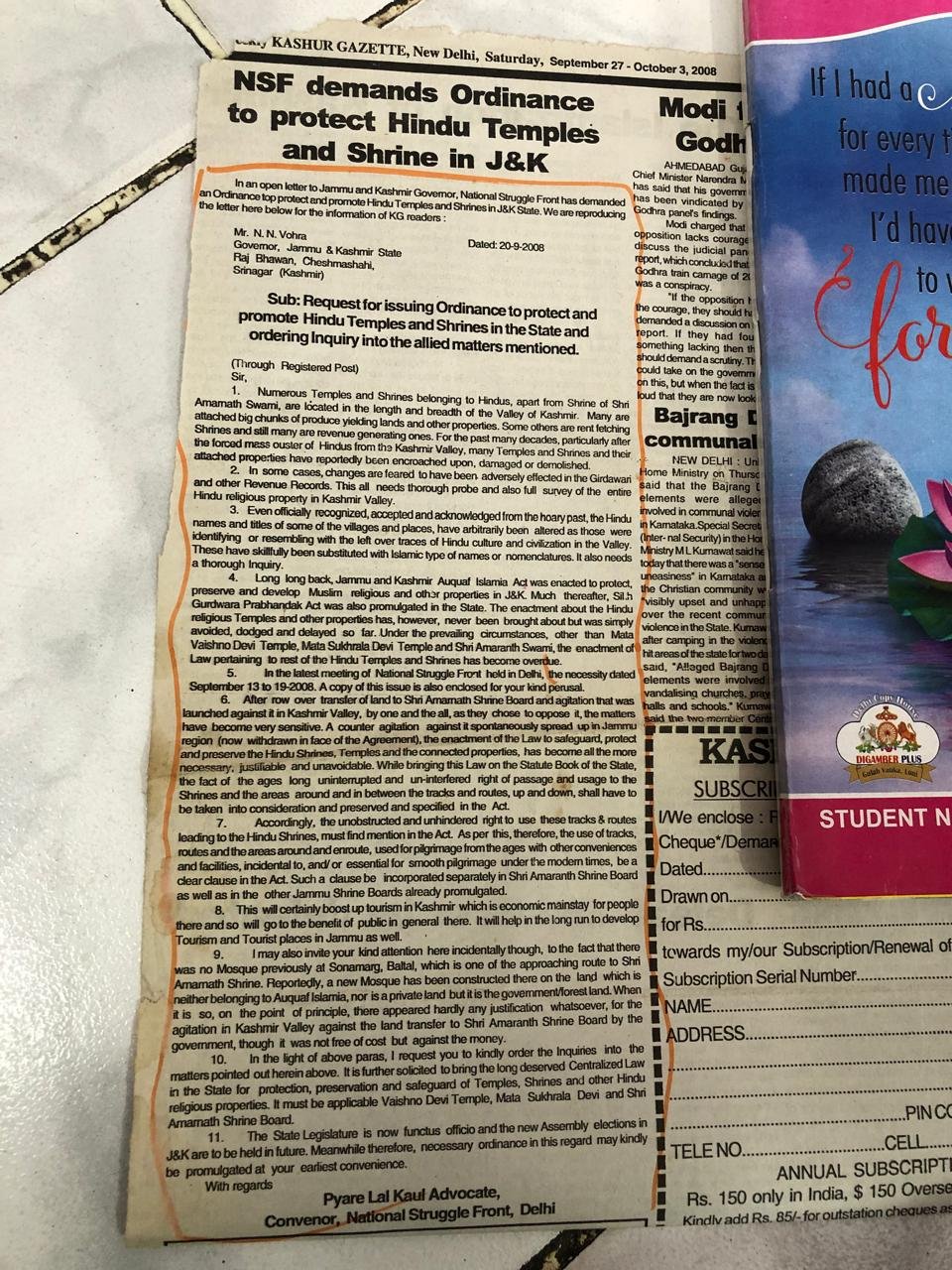
Justice Bhat highlighted Kaul’s multidimensional contributions as a lawyer, writer, political thinker, and social activist. He emphasized that Kaul was not merely a participant in public life but a bold voice who consistently stood for truth, justice, and national interest, often without seeking recognition.
The article traces Kaul’s distinguished lineage, noting that he belonged to the respected Kaul family, historically known for legal excellence and public service. His ancestors, often referred to as the Vakil Brothers, were prominent figures in Kashmir’s legal and socio-political landscape, contributing significantly to early reformist and resistance movements.
Kaul’s career reflects a rare blend of intellectual strength and practical action. As an advocate, he was known for his sharp legal mind and commitment to justice. As a writer, he addressed complex political and social issues, particularly those concerning Kashmir, presenting bold and honest perspectives.
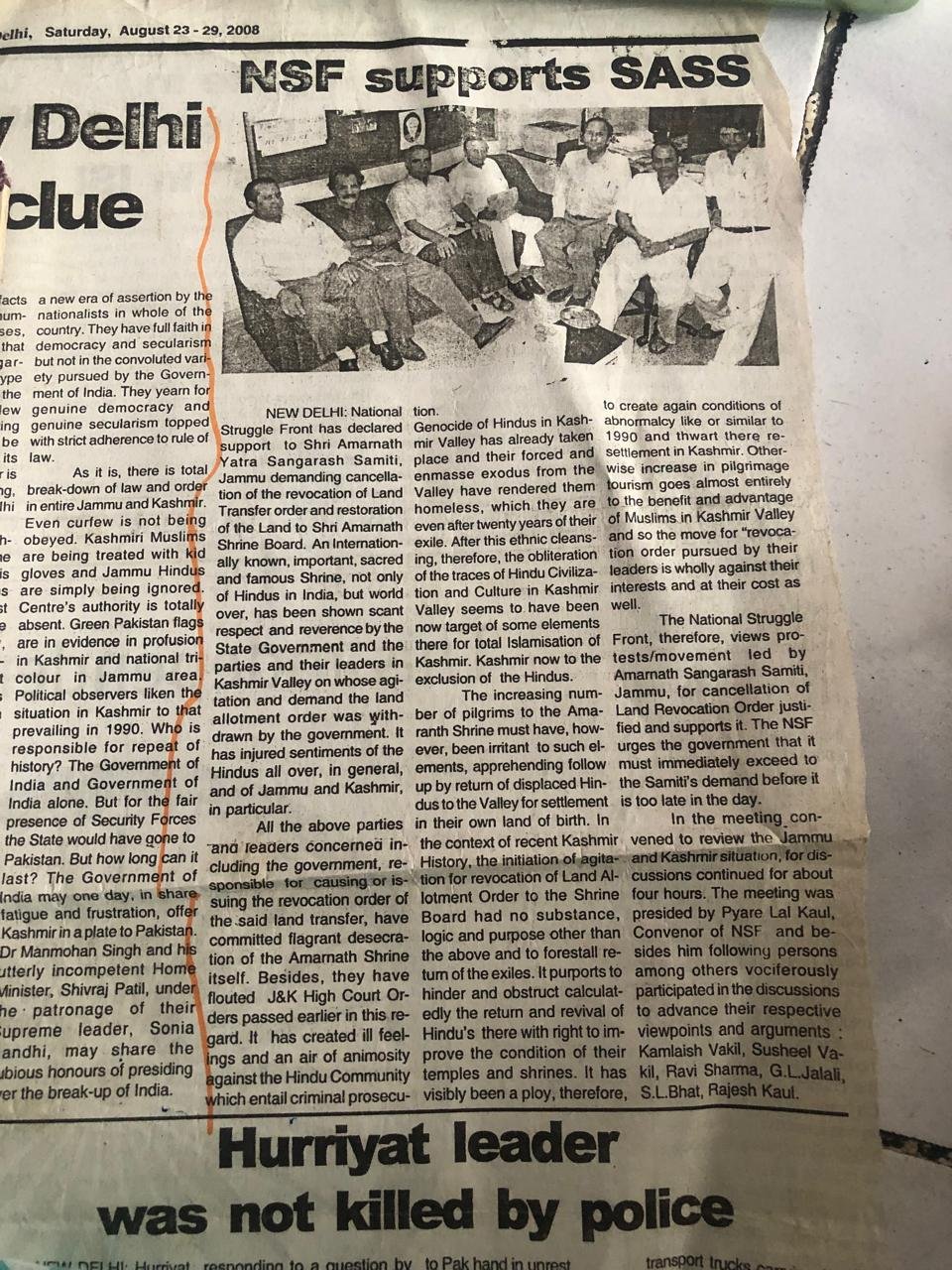
Justice Bhat also notes Kaul’s involvement in political and social organizations, including leadership roles and active participation in movements aimed at addressing public grievances. He often raised issues of displaced communities and human rights, even taking initiatives at personal cost, such as presenting cases before national institutions like the Human Rights Commission.
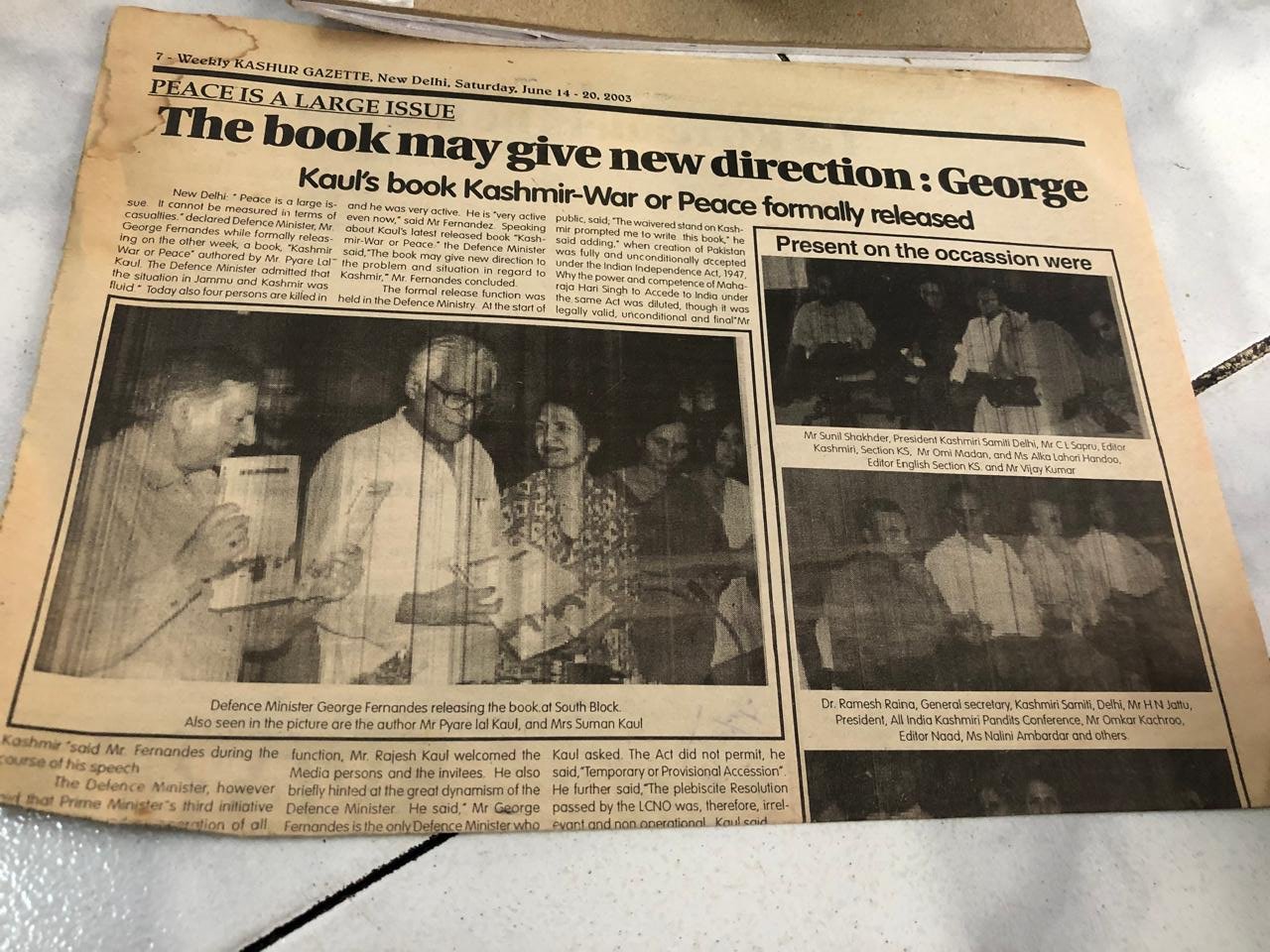
His books and writings, which exposed uncomfortable truths and challenged prevailing narratives, earned him recognition as a courageous author. For his fearless expression and dedication to truth, Kaul was honored and acknowledged in various forums.
The article further reflects on Kaul’s character—depicting him as someone driven not by personal gain, but by a genuine commitment to the welfare of society and the nation. His life stands as an example of integrity, intellectual courage, and unwavering dedication to public causes.
Through this tribute, Justice J.N. Bhat brings attention to a personality whose contributions, though not widely celebrated, hold lasting significance in the legal, political, and social history of Jammu & Kashmir.

_1776922442.jpeg)